
Galápagos Islands Travel Guide
Explore curated travel guides, destination insights, and practical tips to help you plan smarter, smoother, and more memorable group journeys across India.
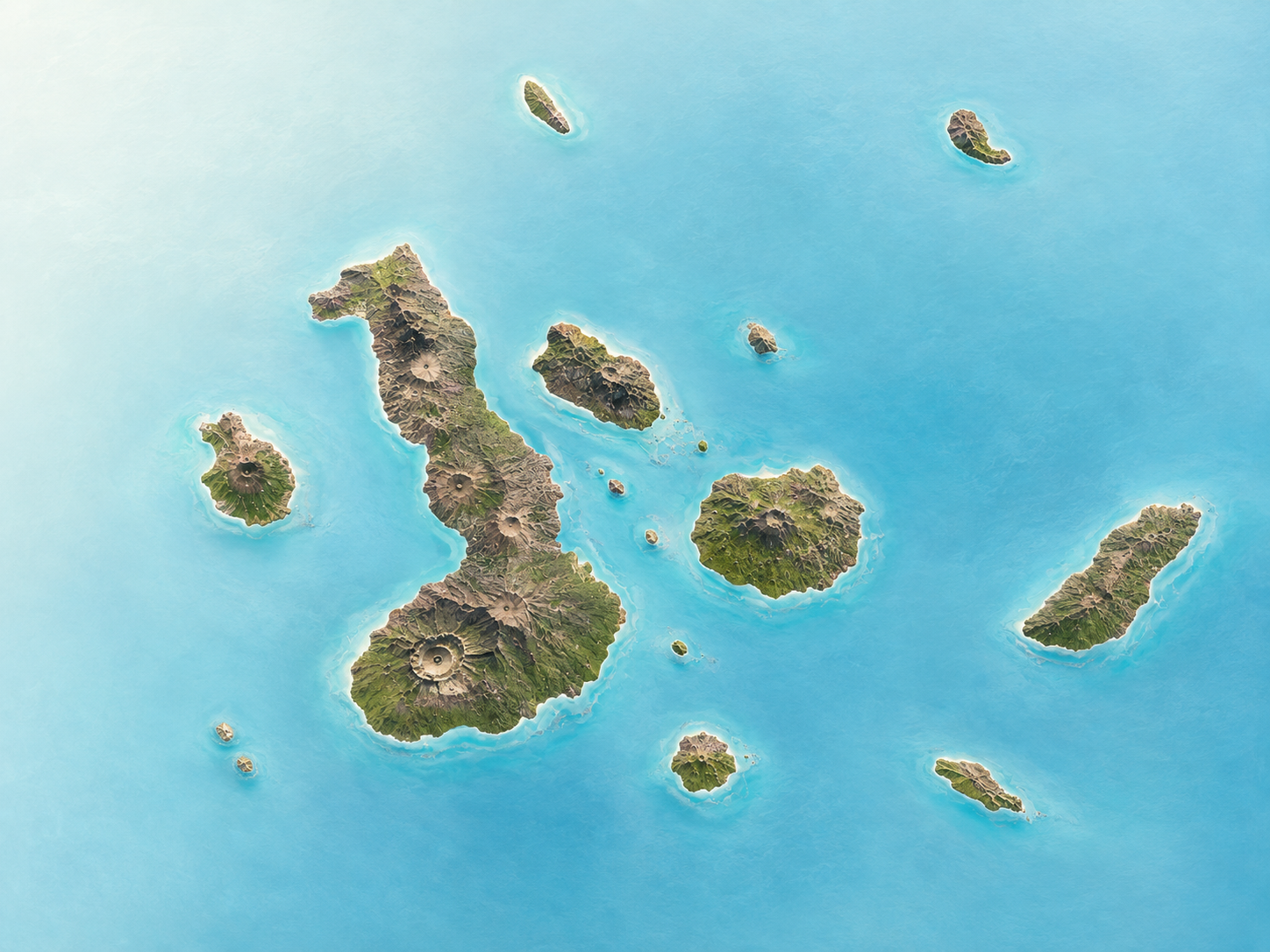
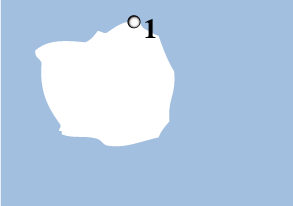 Land Surface:
249 square miles
Max. Elevation:
4,900 feet
Visitor Sites:
1
Learn More About Fernandina
Land Surface:
249 square miles
Max. Elevation:
4,900 feet
Visitor Sites:
1
Learn More About Fernandina 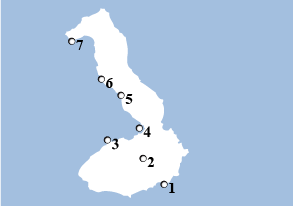 Land Surface:
1,771 square miles
Max. Elevation:
5,600 feet
Visitor Sites:
7
Learn More About Isabela
Land Surface:
1,771 square miles
Max. Elevation:
5,600 feet
Visitor Sites:
7
Learn More About Isabela 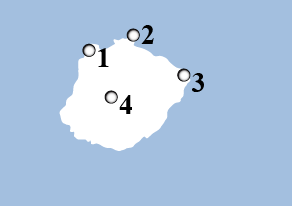 Land Surface:
67 square miles
Max. Elevation:
2,100 feet
Visitor Sites:
4
Learn More About Floreana
Land Surface:
67 square miles
Max. Elevation:
2,100 feet
Visitor Sites:
4
Learn More About Floreana 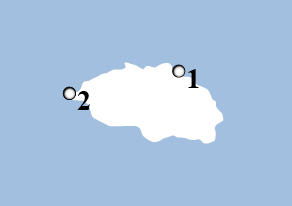 Land Surface:
23 square miles
Max. Elevation:
676 feet
Visitor Sites:
2
Learn More About Española
Land Surface:
23 square miles
Max. Elevation:
676 feet
Visitor Sites:
2
Learn More About Española 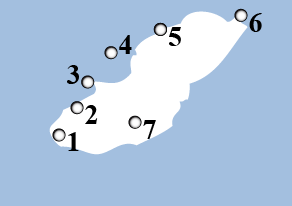 Land Surface:
215 square miles
Max. Elevation:
2,395 feet
Visitor Sites:
7
Learn More About San Cristóbal
Land Surface:
215 square miles
Max. Elevation:
2,395 feet
Visitor Sites:
7
Learn More About San Cristóbal 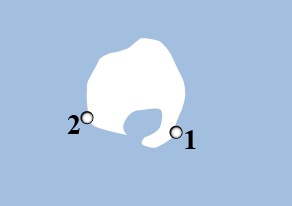 Land Surface:
5.4 square miles
Max. Elevation:
250 feet
Visitor Sites:
2
Learn More About Genovesa
Land Surface:
5.4 square miles
Max. Elevation:
250 feet
Visitor Sites:
2
Learn More About Genovesa 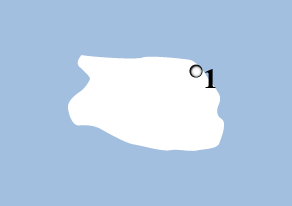 Land Surface:
9.3 square miles
Max. Elevation:
850 feet
Visitor Sites:
1
Learn More About Santa Fé
Land Surface:
9.3 square miles
Max. Elevation:
850 feet
Visitor Sites:
1
Learn More About Santa Fé 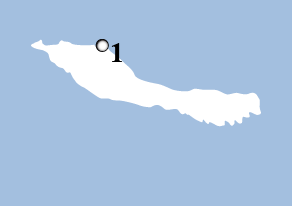 Land Surface:
0.05 square miles
Max. Elevation:
75 feet
Visitor Sites:
1
Learn More About South Plaza
Land Surface:
0.05 square miles
Max. Elevation:
75 feet
Visitor Sites:
1
Learn More About South Plaza 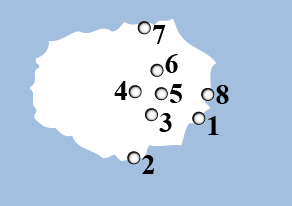 Land Surface:
381 square miles
Max. Elevation:
2,835 feet
Visitor Sites:
8
Learn More About Santa Cruz
Land Surface:
381 square miles
Max. Elevation:
2,835 feet
Visitor Sites:
8
Learn More About Santa Cruz 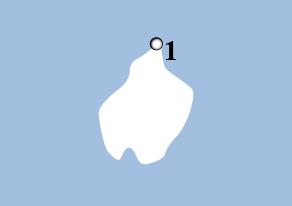 Land Surface:
1.9 square miles
Max. Elevation:
1,204 feet
Visitor Sites:
1
Learn More About Rábida
Land Surface:
1.9 square miles
Max. Elevation:
1,204 feet
Visitor Sites:
1
Learn More About Rábida 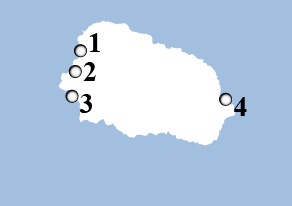 Land Surface:
226 square miles
Max. Elevation:
2,975 feet
Visitor Sites:
4
Learn More About Santiago
Land Surface:
226 square miles
Max. Elevation:
2,975 feet
Visitor Sites:
4
Learn More About Santiago 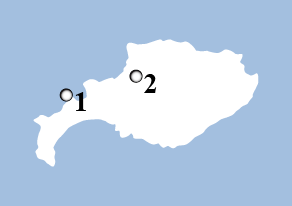 Land Surface:
0.46 square miles
Max. Elevation:
374 feet
Visitor Sites:
2
Learn More About Bartolomé
Land Surface:
0.46 square miles
Max. Elevation:
374 feet
Visitor Sites:
2
Learn More About Bartolomé 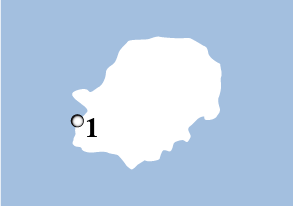 Land Surface:
0.08 square miles
Max. Elevation:
160 feet
Visitor Sites:
1
Learn More About Sombrero Chino
Land Surface:
0.08 square miles
Max. Elevation:
160 feet
Visitor Sites:
1
Learn More About Sombrero Chino 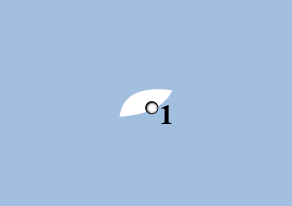 Land Surface:
0.08 square miles
Max. Elevation:
160 feet
Visitor Sites:
1
Learn More About Seymour
Land Surface:
0.08 square miles
Max. Elevation:
160 feet
Visitor Sites:
1
Learn More About Seymour 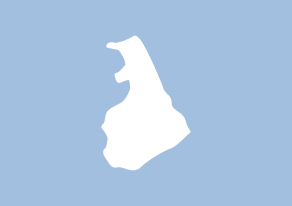 Land Surface:
10.5 square miles
Max. Elevation:
328 feet
Visitor Sites:
0
Learn More About Baltra
Land Surface:
10.5 square miles
Max. Elevation:
328 feet
Visitor Sites:
0
Learn More About Baltra
- Introduction
- History of the Galápagos: an Array of Adventurers
- Challenges Facing the Galápagos
- Descriptions of the Galápagos Islands: Singular Lands in a Unique Place
- Plants of the Galápagos: Vegetation Zones
- Wildlife of the Galápagos: Close-Up Animal Encounters
- Geology of the Galápagos: Movers and Shakers
- Weather and Climate of the Galápagos: When to Go
- Essential Galápagos Travel Information
- Choosing a Galápagos Trip: Types of Boats, Itineraries, and Activities
Introduction
Insulae de los Galopegos. The Enchanted Isles. Archipiélago de Colón. Or simply “the Galápagos.” Whichever appellation you choose to give them, the thirteen major islands and more than a hundred smaller islets that make up the Galápagos Islands are assuredly one of nature’s most astounding places. And the United Nations Educational, Scientific, and Cultural Organization (UNESCO) agrees: The islands were among the original twelve locations to be listed as World Heritage sites in 1978.
The Galápagos Islands are located in the Pacific Ocean, about six hundred miles west of the coast of Ecuador. Ongoing seismic and volcanic activity, several ocean currents, and extreme isolation came together to create this one-of-a-kind place. Consisting of volcanic peaks that have risen to the surface throughout an area that stretches for 3,093 square miles, the islands — and their surrounding waters, which are now a marine reserve with World Heritage status are home to unique species. Birds that cannot fly, an Equatorial penguin, lizards that feed in the ocean, tortoises that weigh more than five hundred pounds, and a garúa season are just a few of the unusual, natural phenomena here that intrigue the mind, engage the senses, and entice the soul. More than 80 percent of the land-based animals that inhabit the islands are endemic, and about 30 percent of the plant species are found only here and nowhere else on Earth.
Today, about 97 percent of the land area and all of the waters surrounding the islands up to a seventeen-mile boundary have been set aside by the Ecuadorian government as a national park, helping to ensure that wild Galápagos will be preserved for the world to treasure and enjoy.
Currently, however, the Galápagos Islands are at a crossroads. Introduced plant and animal species, immigration from the Ecuadorian mainland, increasing visitor numbers, and illegal fishing and poaching threaten their delicate ecosystems. It is imperative that both the tourism industry and travelers to the islands themselves take measures to ensure that the Galápagos remain as natural and untouched as possible to protect this exceptional archipelago. The International Galápagos Tour Operators Association (IGTOA) and its members are doing just that by contributing to critical conservation projects.
After Charles Darwin’s visit to the Galápagos Islands in 1835, he came to call them a “living laboratory of evolution.” After yours, we’re sure you’ll come to refer to them as “my favorite spot on Earth.”
Introduction
Insulae de los Galopegos. The Enchanted Isles. Archipiélago de Colón. Or simply “the Galápagos.” Whichever appellation you choose to give them, the thirteen major islands and more than a hundred smaller islets that make up the Galápagos Islands are assuredly one of nature’s most astounding places. And the United Nations Educational, Scientific, and Cultural Organization (UNESCO) agrees: The islands were among the original twelve locations to be listed as World Heritage sites in 1978.
The Galápagos Islands are located in the Pacific Ocean, about six hundred miles west of the coast of Ecuador. Ongoing seismic and volcanic activity, several ocean currents, and extreme isolation came together to create this one-of-a-kind place. Consisting of volcanic peaks that have risen to the surface throughout an area that stretches for 3,093 square miles, the islands — and their surrounding waters, which are now a marine reserve with World Heritage status are home to unique species. Birds that cannot fly, an Equatorial penguin, lizards that feed in the ocean, tortoises that weigh more than five hundred pounds, and a garúa season are just a few of the unusual, natural phenomena here that intrigue the mind, engage the senses, and entice the soul. More than 80 percent of the land-based animals that inhabit the islands are endemic, and about 30 percent of the plant species are found only here and nowhere else on Earth.
Today, about 97 percent of the land area and all of the waters surrounding the islands up to a seventeen-mile boundary have been set aside by the Ecuadorian government as a national park, helping to ensure that wild Galápagos will be preserved for the world to treasure and enjoy.
Currently, however, the Galápagos Islands are at a crossroads. Introduced plant and animal species, immigration from the Ecuadorian mainland, increasing visitor numbers, and illegal fishing and poaching threaten their delicate ecosystems. It is imperative that both the tourism industry and travelers to the islands themselves take measures to ensure that the Galápagos remain as natural and untouched as possible to protect this exceptional archipelago. The International Galápagos Tour Operators Association (IGTOA) and its members are doing just that by contributing to critical conservation projects.
After Charles Darwin’s visit to the Galápagos Islands in 1835, he came to call them a “living laboratory of evolution.” After yours, we’re sure you’ll come to refer to them as “my favorite spot on Earth.”
Travel with IGTOA
trusted tour operator members.
Support IGTOA's Conservation Fund
for future generations.